A Sustainable Vision for Future Cities by Yaqoot Pioneers
Introduction: Reimagining Cities Through Nature
As cities across the world continue to expand, the challenge of maintaining a balance between urban growth and environmental sustainability has become increasingly critical. In rapidly developing regions like Saudi Arabia, where urbanization is accelerating in alignment with Vision 2030, the need to integrate nature into urban developments is no longer optional—it is essential.
Modern urban planning is shifting away from concrete-dominated landscapes toward environments that harmonize built structures with natural elements. This transformation is not merely aesthetic; it reflects a deeper understanding of how nature contributes to human well-being, environmental resilience, and long-term economic value.
At the forefront of this movement is Yaqoot Pioneers, a company that views real estate development as an opportunity to create living ecosystems rather than isolated structures. By embedding nature into the core of its development philosophy, Yaqoot Pioneers is contributing to a new generation of sustainable, livable, and future-ready communities across Saudi Arabia.
The Importance of Nature in Urban Environments
Nature plays a fundamental role in enhancing the quality of urban life. Studies have consistently shown that access to green spaces improves mental health, reduces stress, and increases overall well-being. In densely populated cities, where residents are often disconnected from natural environments, the integration of nature becomes even more significant.
Beyond individual benefits, natural elements contribute to the ecological health of cities. Green spaces help regulate temperature, reduce air pollution, manage stormwater, and support biodiversity. These functions are particularly important in regions with harsh climates, such as Saudi Arabia, where extreme temperatures and limited water resources present unique challenges.
Yaqoot Pioneers recognizes these factors and integrates nature not as an afterthought, but as a central component of urban design. This approach ensures that developments are not only visually appealing but also environmentally responsible and socially beneficial.
Aligning with Saudi Vision 2030
Saudi Vision 2030 emphasizes sustainability, environmental protection, and the enhancement of quality of life. Initiatives such as the Saudi Green Initiative and large-scale urban projects like NEOM and The Line reflect the Kingdom’s commitment to redefining urban living.
Integrating nature into urban developments aligns directly with these national goals. By creating greener, healthier environments, developers contribute to the Vision’s objectives of improving livability and promoting sustainable growth.
Yaqoot Pioneers aligns its projects with these priorities, ensuring that every development supports the broader transformation of Saudi cities. This alignment is not only strategic but also essential for meeting regulatory requirements and market expectations.
Design Strategies for Integrating Nature
Successfully integrating nature into urban developments requires a thoughtful and multidisciplinary approach. It involves collaboration between architects, urban planners, landscape designers, and environmental experts.
Some of the key design strategies include:
1. Green Spaces and Urban Landscaping
Parks, gardens, and green corridors are essential elements of nature-integrated developments. These spaces provide areas for recreation, relaxation, and social interaction.
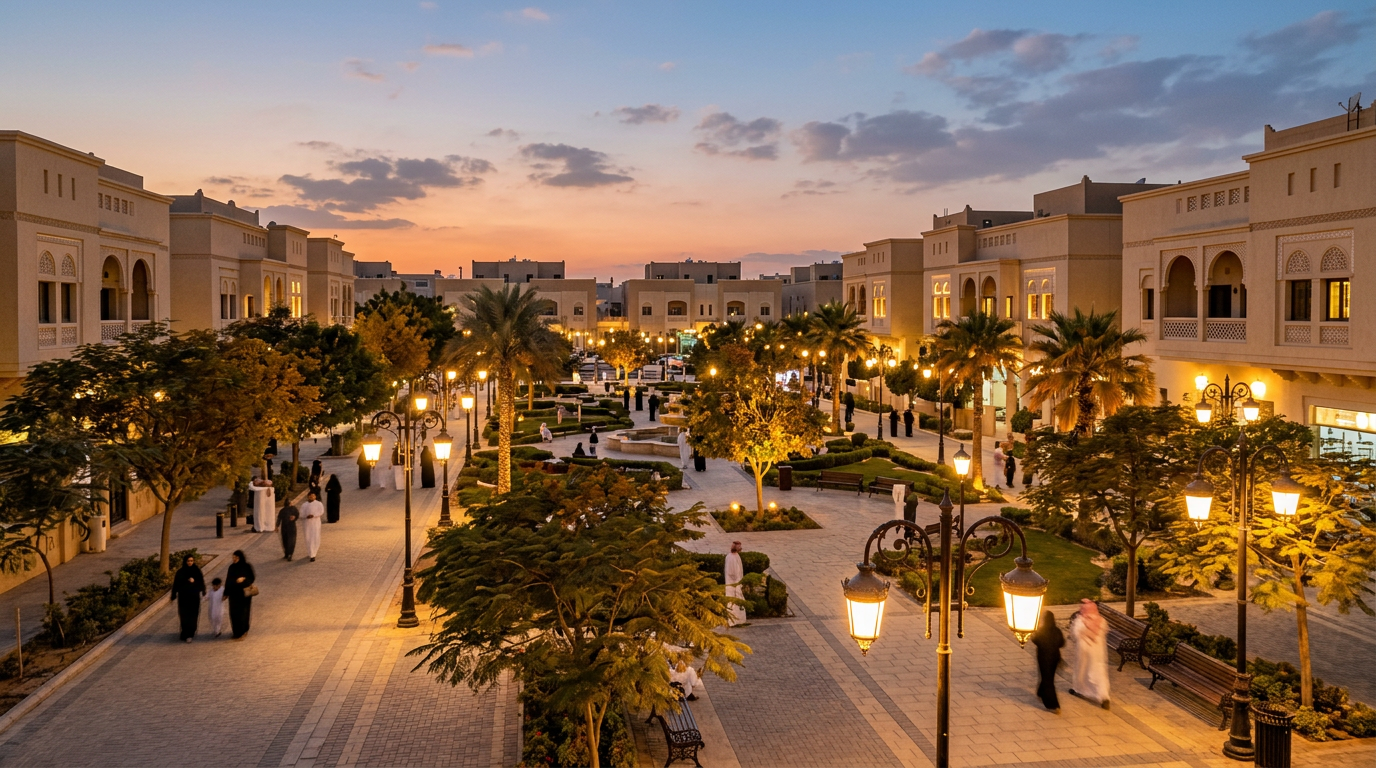
In projects developed by Yaqoot Pioneers, green spaces are strategically distributed to ensure accessibility for all residents. Rather than concentrating greenery in a single area, the company adopts a decentralized approach that brings nature closer to every home.
2. Sustainable Building Design
Buildings themselves can incorporate natural elements through features such as green roofs, vertical gardens, and natural ventilation systems.
These design elements not only enhance aesthetics but also improve energy efficiency and indoor air quality. By reducing reliance on artificial cooling and lighting, they contribute to lower operational costs and environmental impact.
3. Water Management and Conservation
Water is a precious resource in Saudi Arabia, making efficient water management a critical aspect of sustainable development.
Techniques such as rainwater harvesting, greywater recycling, and the use of drought-resistant plants (xeriscaping) are increasingly being adopted. Yaqoot Pioneers integrates these practices into its projects to ensure responsible water usage and long-term sustainability.
4. Climate-Responsive Design
Urban developments must be designed to respond to local climate conditions. In Saudi Arabia, this means addressing extreme heat and maximizing shade.
Strategies include:
- Orienting buildings to minimize heat gain
- Using materials with high thermal performance
- Designing shaded walkways and outdoor spaces
These measures create more comfortable environments for residents while reducing energy consumption.
5. Biodiversity and Ecological Integration
Urban developments can support local ecosystems by incorporating native plant species and creating habitats for wildlife.
This approach enhances biodiversity and contributes to the ecological balance of urban areas. It also fosters a deeper connection between residents and their natural surroundings.
Technology and Smart Solutions
The integration of nature in urban developments is increasingly supported by technology. Smart irrigation systems, environmental sensors, and data-driven design tools enable developers to optimize resource use and monitor environmental performance.
For example:
- Smart irrigation systems adjust water usage based on weather conditions
- Sensors monitor air quality and temperature
- Digital platforms provide insights into energy and water consumption
Yaqoot Pioneers leverages these technologies to enhance the efficiency and sustainability of its developments, ensuring that natural resources are used responsibly.
Economic Benefits of Nature-Integrated Developments
While the environmental and social benefits of integrating nature are well-documented, the economic advantages are equally compelling.
Properties located in green, well-designed environments tend to have higher market value and attract more buyers and tenants. Residents are willing to pay a premium for access to nature, better air quality, and enhanced living conditions.
Moreover, sustainable developments often have lower operating costs due to energy and water efficiency. This translates into long-term financial benefits for both developers and residents.
By adopting a nature-integrated approach, Yaqoot Pioneers creates developments that are not only sustainable but also economically viable and competitive in the market.
Enhancing Community Well-being
One of the most significant impacts of integrating nature into urban developments is its effect on community well-being. Green spaces encourage physical activity, social interaction, and a sense of belonging.
In modern residential communities, shared outdoor areas serve as gathering points where residents can connect and build relationships. This sense of community is essential for creating vibrant and resilient neighborhoods.
Yaqoot Pioneers prioritizes community-centric design, ensuring that its developments foster interaction and enhance the overall living experience.
Challenges and Considerations
Despite its many benefits, integrating nature into urban developments presents certain challenges:
- Cost considerations: Sustainable design features may require higher initial investment
- Maintenance requirements: Green spaces and systems need ongoing management
- Regulatory constraints: Compliance with local regulations can be complex
However, these challenges can be addressed through careful planning, efficient design, and collaboration with stakeholders. The long-term benefits far outweigh the initial costs, making nature integration a worthwhile investment.
The Future of Nature-Integrated Urban Development
Looking ahead, the integration of nature in urban developments is expected to become a standard practice rather than a differentiating feature. As awareness of environmental issues grows and regulations become more stringent, developers will need to adopt sustainable practices to remain competitive.
Emerging trends include:
- Biophilic design, which emphasizes the connection between humans and nature
- Smart cities that integrate technology and sustainability
- Net-zero buildings that minimize environmental impact
Yaqoot Pioneers is well-positioned to lead this transformation, leveraging its expertise and commitment to innovation to deliver projects that meet the evolving needs of the market.
Conclusion: Building Cities That Breathe
Integrating nature into urban developments is not just about adding greenery—it is about rethinking the way cities are designed and experienced. It is about creating environments that support human well-being, protect the planet, and deliver lasting value.
In Saudi Arabia, where rapid urbanization presents both challenges and opportunities, this approach is particularly important. By aligning with national goals and adopting forward-thinking strategies, developers can play a key role in shaping the future of urban living.
Through its commitment to sustainability, innovation, and quality, Yaqoot Pioneers is helping to build cities that breathe—cities where nature and urban life coexist in harmony, creating a better future for generations to come.

Join The Discussion