
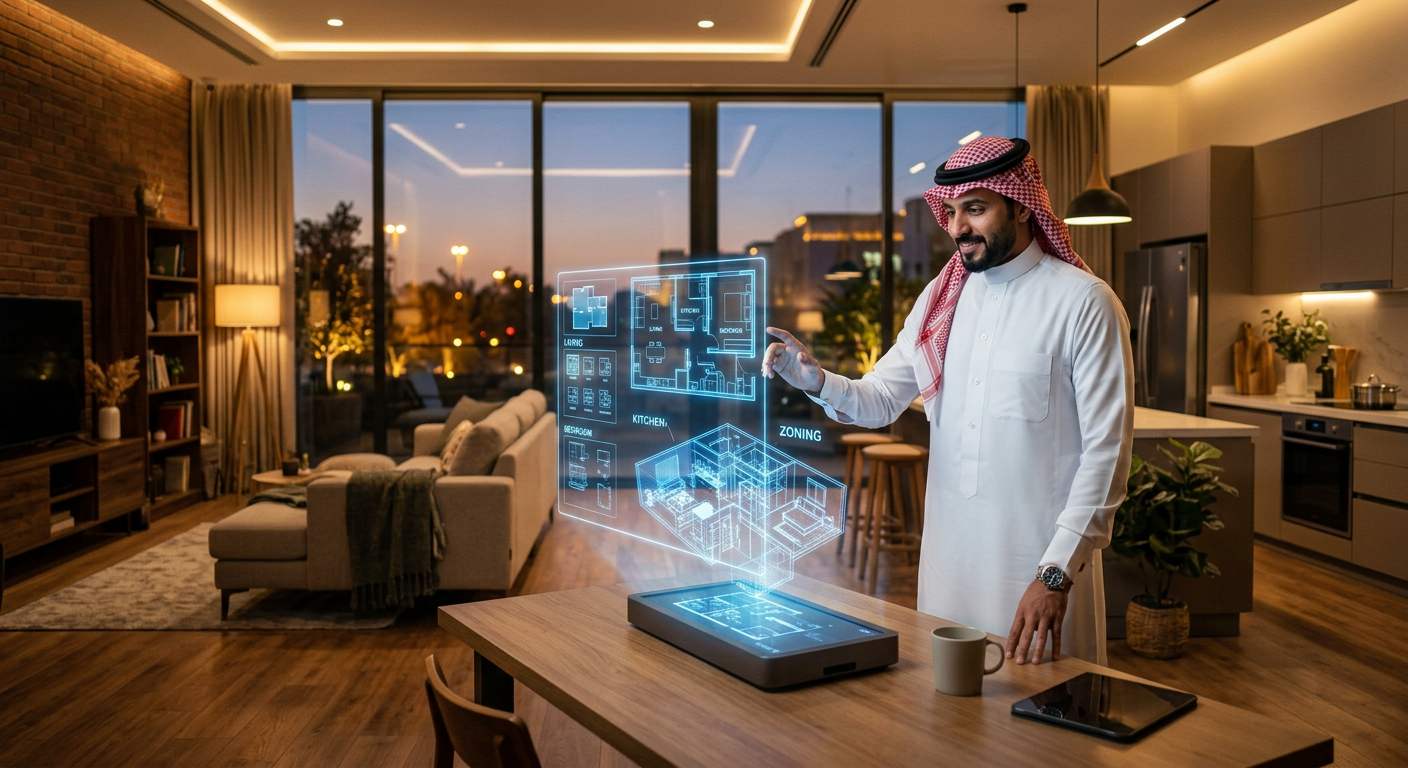
Designing Efficient, Human-Centered Spaces with Yaqoot Pioneers
Introduction: The New Definition of Space
In today’s rapidly evolving urban environments, the concept of space is being redefined. No longer is the value of a home measured solely by its size; instead, it is increasingly determined by how intelligently that space is designed, utilized, and experienced. As cities grow denser and lifestyles become more dynamic, the importance of smart space planning has never been greater.
In Saudi Arabia, this shift is particularly evident. Driven by Vision 2030, urban development is accelerating, and with it comes a need for residential solutions that are efficient, flexible, and aligned with modern living standards. People are seeking homes that adapt to their needs, maximize functionality, and enhance overall quality of life.
At the forefront of this transformation is Yaqoot Pioneers, a company that understands that smart space planning is not just a design choice—it is a strategic approach to creating value. By integrating innovation, functionality, and cultural awareness, Yaqoot Pioneers is redefining how residential spaces are conceived and delivered in the Kingdom.
Understanding Smart Space Planning
Smart space planning refers to the strategic organization of interior and exterior spaces to achieve maximum efficiency, comfort, and usability. It involves optimizing layouts, improving flow, and ensuring that every square meter serves a purpose.
This approach is particularly important in modern developments, where:
- Land costs are increasing
- Urban density is rising
- Lifestyle expectations are evolving
Rather than simply increasing the size of units, developers are focusing on making spaces more functional and adaptable. This shift reflects a broader trend toward quality over quantity.
For Yaqoot Pioneers, smart space planning begins at the conceptual stage, ensuring that every design decision contributes to a cohesive and efficient living environment.
The Saudi Context: Changing Lifestyles and Needs
Saudi Arabia is undergoing significant demographic and social changes. A younger population, increased workforce participation, and evolving family structures are influencing housing preferences.
Key trends include:
- Growing demand for apartments and townhouses
- Preference for flexible living spaces
- Increased importance of privacy and functionality
- Desire for integrated community amenities
Traditional housing models, while still relevant, are being complemented by new typologies that better suit contemporary lifestyles.
Yaqoot Pioneers responds to these trends by designing spaces that are both culturally appropriate and forward-looking. This includes balancing privacy with openness, and tradition with innovation.
Core Principles of Smart Space Planning
Effective space planning is guided by several key principles:
1. Functionality First
Every space must serve a clear purpose. Whether it is a living room, kitchen, or bedroom, the design should support daily activities in a seamless and intuitive way.
This involves:
- Logical layout organization
- Efficient circulation paths
- Minimizing wasted space
Yaqoot Pioneers prioritizes functionality in all its projects, ensuring that spaces are practical and user-friendly.
2. Flexibility and Adaptability
Modern living requires spaces that can adapt to different needs. For example, a home office may double as a guest room, or a living area may be reconfigured for social gatherings.
Flexible design features include:
- Movable partitions
- Multi-purpose furniture
- Open-plan layouts
This adaptability enhances the long-term usability of a space, making it more resilient to changing lifestyles.
3. Maximizing Natural Light and Ventilation
Natural light and airflow are essential for creating comfortable and healthy living environments. Smart space planning ensures that:
- Rooms are positioned to receive optimal sunlight
- Windows and openings are strategically placed
- Ventilation is efficient and effective
In Saudi Arabia’s climate, this also helps reduce reliance on artificial cooling and lighting.
4. Storage Optimization
One of the most common challenges in residential design is the lack of adequate storage. Smart planning addresses this by integrating storage solutions into the design itself.
Examples include:
- Built-in wardrobes
- Under-stair storage
- Hidden compartments
By reducing clutter, these solutions enhance the overall functionality and aesthetic of the space.
5. Seamless Indoor-Outdoor Integration
Modern living increasingly values a connection to the outdoors. Smart space planning incorporates:
- Balconies and terraces
- Courtyards and gardens
- Large openings that blur the boundary between الداخل والخارج
This not only enhances the living experience but also contributes to well-being.
Technology as an Enabler of Smart Spaces
Technology plays a crucial role in enabling smart space planning. From design tools to smart home systems, innovation is transforming how spaces are created and used.
Key technologies include:
- Building Information Modeling (BIM) for precise planning
- Smart home systems for automation and control
- Digital twins for performance simulation
These tools allow developers like Yaqoot Pioneers to optimize designs before construction begins, reducing errors and improving efficiency.
In addition, smart technologies within the home—such as automated lighting, climate control, and security systems—enhance the functionality and convenience of living spaces.
Cultural Considerations in Space Planning
In Saudi Arabia, cultural values play a significant role in shaping residential design. Privacy, family orientation, and hospitality are key considerations.
Smart space planning must address these needs by:
- Separating public and private areas
- Designing dedicated spaces for guests
- Ensuring visual and acoustic privacy
Yaqoot Pioneers integrates these cultural elements into its designs, ensuring that modern spaces remain aligned with local traditions and expectations.
Economic Value of Smart Space Planning
Smart space planning is not only beneficial for residents—it also creates economic value for developers and investors.
Efficient layouts can:
- Increase the number of usable units
- Reduce construction costs
- Enhance property marketability
Buyers are increasingly willing to pay a premium for well-designed spaces that offer greater functionality and comfort.
By focusing on smart planning, Yaqoot Pioneers delivers projects that are both competitive and profitable, ensuring strong returns on investment.
Sustainability and Resource Efficiency
Smart space planning is closely linked to sustainability. Efficient use of space often leads to more efficient use of resources.
For example:
- Smaller, well-designed spaces require less energy for heating and cooling
- Optimized layouts reduce material waste during construction
- Natural lighting reduces electricity consumption
Yaqoot Pioneers incorporates these principles into its developments, contributing to environmentally responsible urban growth.
Community-Level Space Planning
Smart space planning extends beyond individual units to the community level. Developers must consider how spaces interact within a larger environment.
This includes:
- Pedestrian-friendly layouts
- Shared amenities and public spaces
- Efficient infrastructure planning
Well-planned communities enhance social interaction and improve overall quality of life.
Yaqoot Pioneers adopts a holistic approach, ensuring that its developments function as cohesive, integrated environments.
Challenges in Smart Space Planning
Despite its many benefits, smart space planning presents certain challenges:
- Balancing efficiency with comfort
- Managing cost constraints
- Adapting designs to regulatory requirements
However, with careful planning and innovation, these challenges can be overcome.
Future Trends in Space Planning
The future of space planning will be shaped by several emerging trends:
- Increased use of modular and prefabricated construction
- Greater integration of smart technologies
- Emphasis on wellness-oriented design
- Growth of co-living and flexible housing models
As these trends evolve, developers must remain agile and forward-thinking.
Conclusion: Designing for the Future with Yaqoot Pioneers
Smart space planning is a cornerstone of modern living. It reflects a shift toward more efficient, adaptable, and human-centered environments.
In Saudi Arabia, where urban transformation is accelerating, this approach is essential for meeting the needs of a diverse and growing population.
Through its commitment to innovation, quality, and cultural understanding, Yaqoot Pioneers is leading the way in redefining residential design. By focusing on smart space planning, the company is not only creating better homes—it is shaping the future of living in the Kingdom.

Join The Discussion